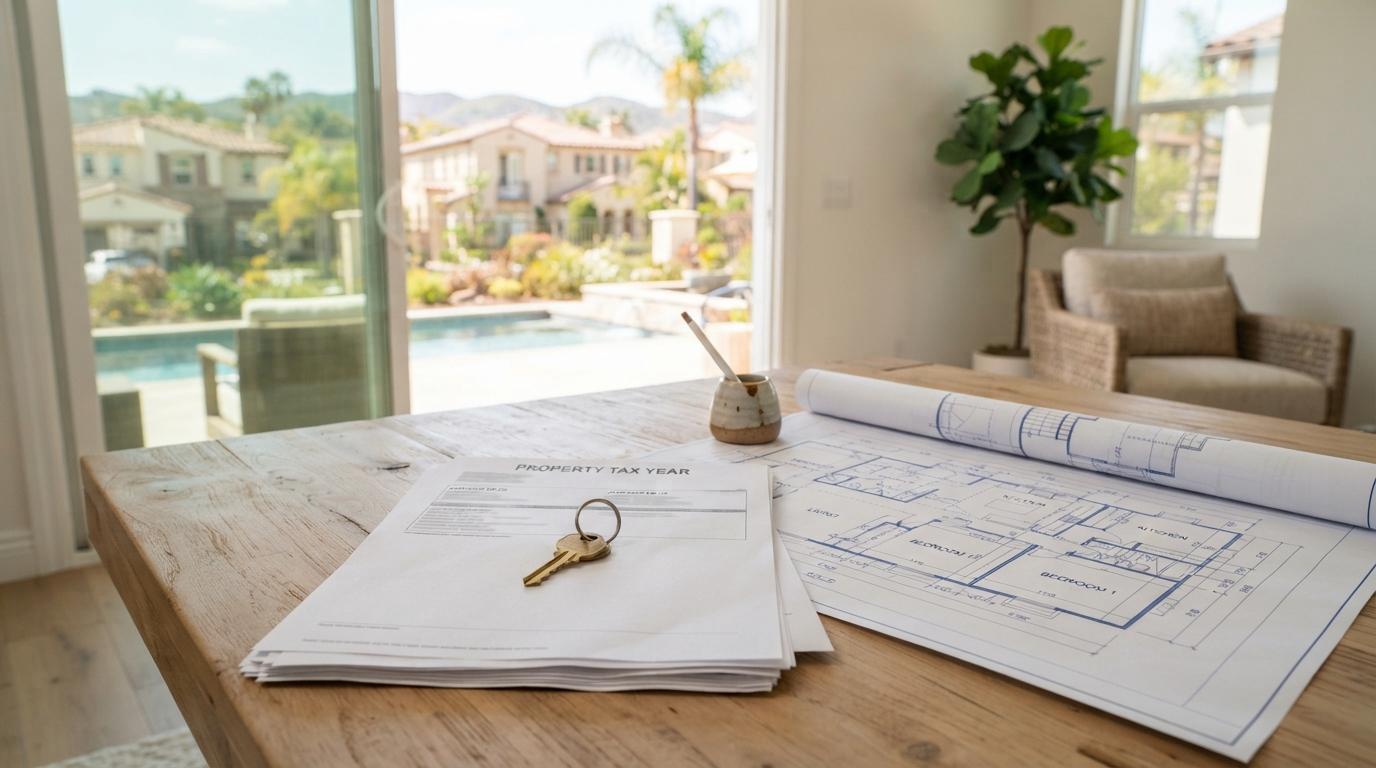
Demystifying California Supplemental Property Taxes
A second tax bill can arrive after you buy a home or finish construction. Learn what a supplemental assessment is, why it happens, and how to plan for it.
Many new California homeowners are surprised by a tax bill they did not expect: one that arrives separately from the regular annual bill, sometimes months after closing. It is not a mistake. It is a supplemental property tax bill, and understanding it ahead of time can protect your budget.
Why Supplemental Bills Exist
Under Proposition 13, California property is taxed at a base rate of 1% of assessed value, plus voter-approved local charges. Assessed value generally resets to the purchase price when ownership changes, and after that it can increase by no more than 2% per year.
The county assessor does not reassess instantly at closing. The regular annual bill is based on the value on the prior lien date. The supplemental assessment bridges the gap between the old assessed value and the new one, covering the period from the change of ownership through the end of the fiscal year.
The same logic can apply after new construction is completed, when added value is assessed.
What Triggers One
The most common triggers are:
- Purchase of a home, which is a change in ownership
- Completion of new construction or substantial additions
- Certain transfers of interest that the assessor treats as a change of ownership
Some transfers, such as certain transfers between spouses or parent-child transfers, may qualify for exclusions. Those rules are technical, so ask a tax professional and check with the county assessor.
Why It Can Arrive Separately From Your Mortgage Payment
Here is a detail that catches many buyers: your lender's escrow account often covers the regular property tax bill, but the supplemental bill is usually mailed to the owner directly. Whether your lender pays it depends on your loan and servicer. Do not assume it is handled. Confirm with your servicer.
Supplemental bills commonly come in one or two installments with their own due dates. Missing one can lead to penalties, so mark the dates when the notice arrives.
How to Estimate Your Own Bill
Do not rely on the seller's current tax figure. Their assessed value may be far below your purchase price, so the real number for you can be considerably higher.
Use this process:
- Find the purchase price you expect to pay.
- Apply the 1% base rate to get a starting estimate.
- Add local voter-approved charges and special assessments. Check the county assessor or tax collector's records for the specific parcel.
- Subtract any exemption you qualify for, such as the homeowners' exemption, if applicable.
- Prorate for the period between closing and the end of the fiscal year to approximate the supplemental amount.
- Confirm with a professional or the county.
A New Homeowner Checklist
- Ask your lender at pre-approval how property taxes will be handled
- Review the preliminary title report for tax and assessment information
- Budget a reserve for the supplemental bill rather than treating it as a surprise
- File your change of ownership and any exemption claims on time
- Keep your mailing address current with the county so notices reach you
- Compare estimates across a few scenarios, especially if you are considering a more expensive property
Common Mistakes
Buyers sometimes confuse the supplemental bill with an overcharge or a duplicate. It is neither. Others assume a refund is possible if the property was reassessed low, but the process is separate. If you believe the assessed value is wrong, the county has an appeal process with deadlines, so ask the assessor's office promptly.
Sellers benefit from understanding this too. Buyers who see a lower existing tax bill may underestimate their costs, so clear explanations help transactions stay on track.
Your Next Step
To lay out your own numbers, run the Tax Breakdown Sheet at https://antoinetran.org. It helps you compare the regular bill, the supplemental estimate, and your closing costs in one place. Always confirm figures with the county assessor.
Antoine Tran | CA DRE #01993930 | (714) 880-9288 | antoine@antoinetran.com
This article is educational and is not legal, tax, or financial advice. Consult a licensed attorney, CPA, or lender about your situation.
Educational content only. Discuss property-specific guidance with a licensed broker, or see how Antoine can help.
Run the Tax Breakdown Sheet