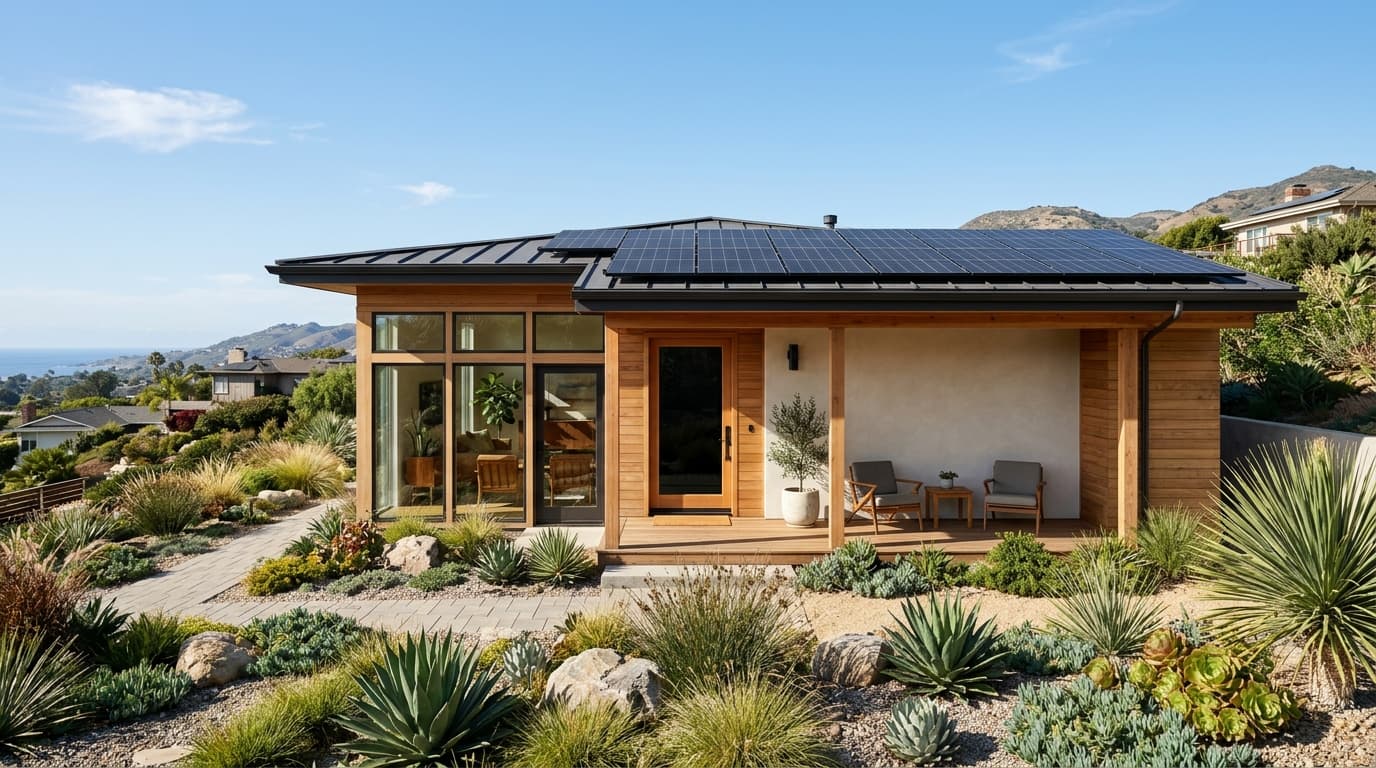
Sustainable Home Upgrades That Increase Asset Value
Efficiency upgrades can lower operating costs and strengthen a home's appeal, but not every green project pays off. Learn how to prioritize upgrades with your long-term value in mind.
Many buyers and owners want a home that is kinder to the environment and cheaper to run. The challenge is sorting through the options. Solar panels, heat pumps, insulation, smart thermostats and water-saving landscaping all promise benefits, but they differ greatly in cost, payback and relevance to a given property.
The goal of this post is to give you a framework for choosing upgrades that serve both your values and your balance sheet.
Start With the Building Envelope
The most dependable upgrades are often the least glamorous. A home that holds conditioned air well needs less energy to heat and cool, and that benefit applies no matter what equipment you install.
Consider an energy audit from a qualified professional. A good audit typically identifies:
- Air leaks around windows, doors and ducts.
- Insulation gaps in attics, walls and crawl spaces.
- Duct losses, which can waste a lot of conditioned air.
- Window performance, which matters most in rooms with large sun exposure.
Addressing these issues first often makes later upgrades work better, and it may allow you to size new equipment smaller.
Equipment and Systems
Once the envelope is sound, look at the systems that use energy.
- Heating and cooling. High-efficiency heat pumps are one option that many homeowners consider. Ask contractors for load calculations, not rules of thumb.
- Water heating. Efficient water heaters can reduce ongoing costs.
- Lighting and appliances. Efficient models are comparatively inexpensive to adopt.
- Solar and storage. Rooftop solar may suit homes with good sun exposure and high electricity use. Rules, utility rates and incentives change, so verify current terms with your utility and a licensed installer. Review any lease or financing arrangement carefully, because it can affect a future sale.
- Water efficiency. Low-flow fixtures and drought-tolerant landscaping reduce water use and upkeep.
I cannot promise that any of these will raise your sale price by a certain amount. Appraisers and buyers weigh documented, verifiable features, and results vary by property and market.
How Upgrades Connect to Value
Efficiency can support value in several ways:
- Lower operating costs, which some buyers weigh when comparing homes.
- Comfort and reliability, which show up during showings.
- Reduced maintenance risk, if the work replaces aging systems.
- Appeal to a wider pool, including buyers who prioritize efficiency.
Documentation matters. Keep invoices, permits, warranties, utility bills and any energy audit results. If an upgrade is not documented, an appraiser or buyer may not give it credit.
A Prioritization Checklist
Use these steps before spending money:
- Gather twelve months of utility bills.
- Order an energy audit and read its recommendations.
- Rank the work by cost and by its effect on your bills and comfort.
- Tackle air sealing and insulation before equipment.
- Obtain at least two licensed contractor bids for any major system.
- Confirm permit requirements with your city.
- Research current incentives and rebates, and check eligibility directly with the program.
- Check how a lease or loan for solar affects a future sale.
- Save every record in one folder.
- Revisit the plan if you expect to sell soon, since short ownership timelines change the math.
Avoid the Common Missteps
Beware of upgrades chosen for marketing appeal rather than function, and of any claim that a product will "pay for itself" without a calculation using your own usage. Beware of high-pressure sales, and verify contractor licenses with the state licensing board before signing.
Your Next Step
If you want a clear, organized way to compare projects, download the free Green Upgrade Guide at https://antoinetran.org. It walks through audits, priorities and documentation so that your upgrades are chosen deliberately and presented well when the time comes to sell or refinance.
Antoine Tran | CA DRE #01993930 | (714) 880-9288 | antoine@antoinetran.com
This article is educational and is not legal, tax, or financial advice. Consult a licensed attorney, CPA, or lender about your situation.
Educational content only. Discuss property-specific guidance with a licensed broker, or see how Antoine can help.
Download the Green Upgrade Guide